

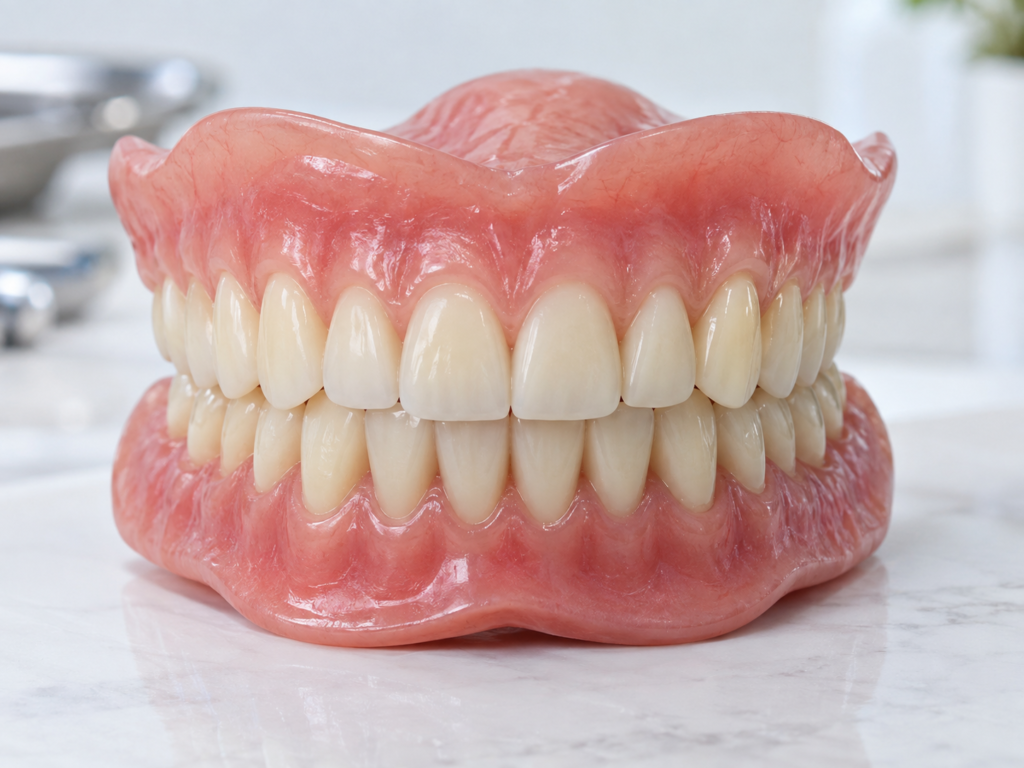
Ask anyone who wears a full lower denture what bothers them most, and one answer comes up often: it moves.
A lower denture may lift when you talk, shift while chewing or need adhesive just to feel secure through a meal. Lower dentures are harder to keep steady than upper ones because the lower jaw offers less surface area for support. The tongue also sits right beside the denture and moves constantly when you eat, speak and swallow.
Suction dentures were developed with this problem in mind.
What are suction dentures? Suction dentures are complete dentures designed to stay in place by creating a close seal with the gums and surrounding tissues. They do not rely on implants, metal clips or daily adhesive. Their stability comes from a precise impression and a denture shape that works with the natural movement of the mouth.
How Do Suction Dentures Work?
Think of two smooth, slightly wet surfaces pressed together. Pulling them apart takes more effort because little air can get between them.
A suction denture works in a similar way. A thin layer of saliva sits between the denture and the gums, while the edges stay in close contact with the surrounding tissues. This creates a seal that helps resist lifting during chewing, speaking and swallowing.
Suction dentures are often discussed for the lower jaw because conventional lower dentures tend to be less stable.
No adhesive, implants or metal clips
A suction denture relies mainly on fit and tissue contact. There are no implants in the jawbone and no clasps around natural teeth.
However, suction is not the same for everyone. Jaw shape, gum condition, tongue movement and saliva flow all affect how well the seal can form.
Why the Impression Makes or Breaks a Suction Denture
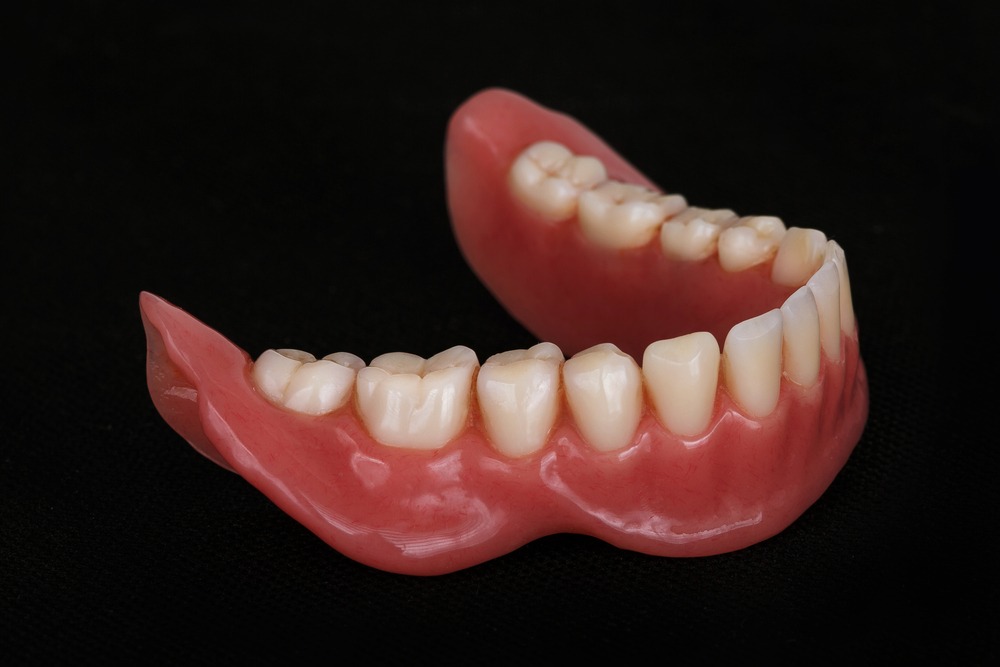
A denture is only as good as its mould
Every denture starts with an impression of the mouth. With a suction denture, this step is especially important because even a small gap around the edge can weaken the seal.
The mouth does not stay still. The tongue, cheeks and floor of the mouth move when you speak, swallow and eat.
During a functional impression, the dentist may ask you to swallow, move your tongue or purse your lips while the material sets. This records how the tissues behave during normal movement, not only at rest.
Why clinician skill matters
The dentist needs to judge how far the denture borders should extend and how the surrounding muscles interact with them.
If a border is too short, the seal may be weak. If it extends too far, the muscles may push against the denture and lift it.
This is why suction dentures may require several appointments, including impressions, bite records and trial fittings.
Suction Dentures vs Conventional Dentures
Conventional dentures are made from a mouth at rest
Conventional dentures are usually made from impressions that record the gums and surrounding tissues. They can work well, particularly in the upper jaw where there is more surface area for support.
The lower jaw is more difficult because there is less space for the denture to rest on and the tongue moves beside it.
Daily movement can shift a conventional lower denture
Eating, speaking and swallowing move the tongue and cheeks.
If a lower denture is bulky or does not leave enough room for these muscles, the tongue may push against it. The denture can then lift, rock or slide.
Suction dentures are designed around movement
A suction denture places more emphasis on recording the mouth while it moves.
The aim is to shape the denture within the natural space created by the tongue, cheeks and other muscles, so these tissues are less likely to dislodge it.
A slimmer base that leaves room for the tongue
Tongue space is especially important with a lower denture.
A bulky inner surface can leave the tongue constantly pressing against the denture. A suction denture is shaped more carefully so the tongue can move without repeatedly lifting it.
Who Might Benefit From Suction Dentures?
Suction dentures may suit people who wear a full lower denture that feels loose or unstable.
They are also worth discussing if you use adhesive every day, avoid foods because your denture moves, or worry about it lifting when you speak.
Not everyone is suitable. The dentist needs to assess the jaw shape, gums, tongue movement and saliva flow. Saliva helps form the seal, so a very dry mouth can make suction harder to achieve.
Why Wearing Dentures Matters After Tooth Loss
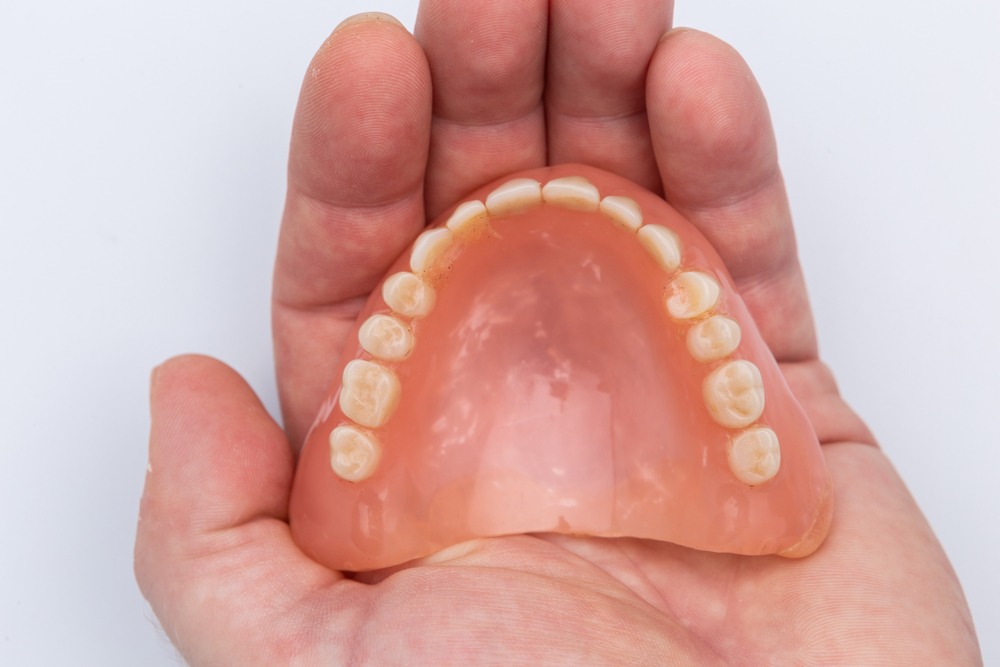
Missing teeth affect more than appearance. They can change how you eat, speak and support the face.
Chewing becomes easier
Dentures restore a chewing surface and can help patients manage a wider range of food.
They do not feel exactly like natural teeth, so softer foods, smaller bites and slower chewing can help during the adjustment period.
Nearby teeth are less likely to drift
When a tooth is lost, neighbouring teeth can gradually tilt into the empty space. A partial denture can help maintain that space and support the bite.
Suction dentures are generally full dentures for patients who have lost all the teeth in an arch.
Your face keeps its natural support
Teeth help support the lips and cheeks. After teeth are lost, the jawbone gradually becomes smaller and the area around the mouth can look more sunken.
A well-designed denture helps restore some of that lost support.
Speech can become clearer
Teeth help the tongue form certain sounds. A denture restores those contact points, although speech may feel unusual at first.
Confidence returns
Some people avoid smiling, eating with others or speaking freely because they worry about missing teeth or denture movement.
A stable, well-fitting denture can make these everyday situations easier again.
Getting Used to Your New Dentures
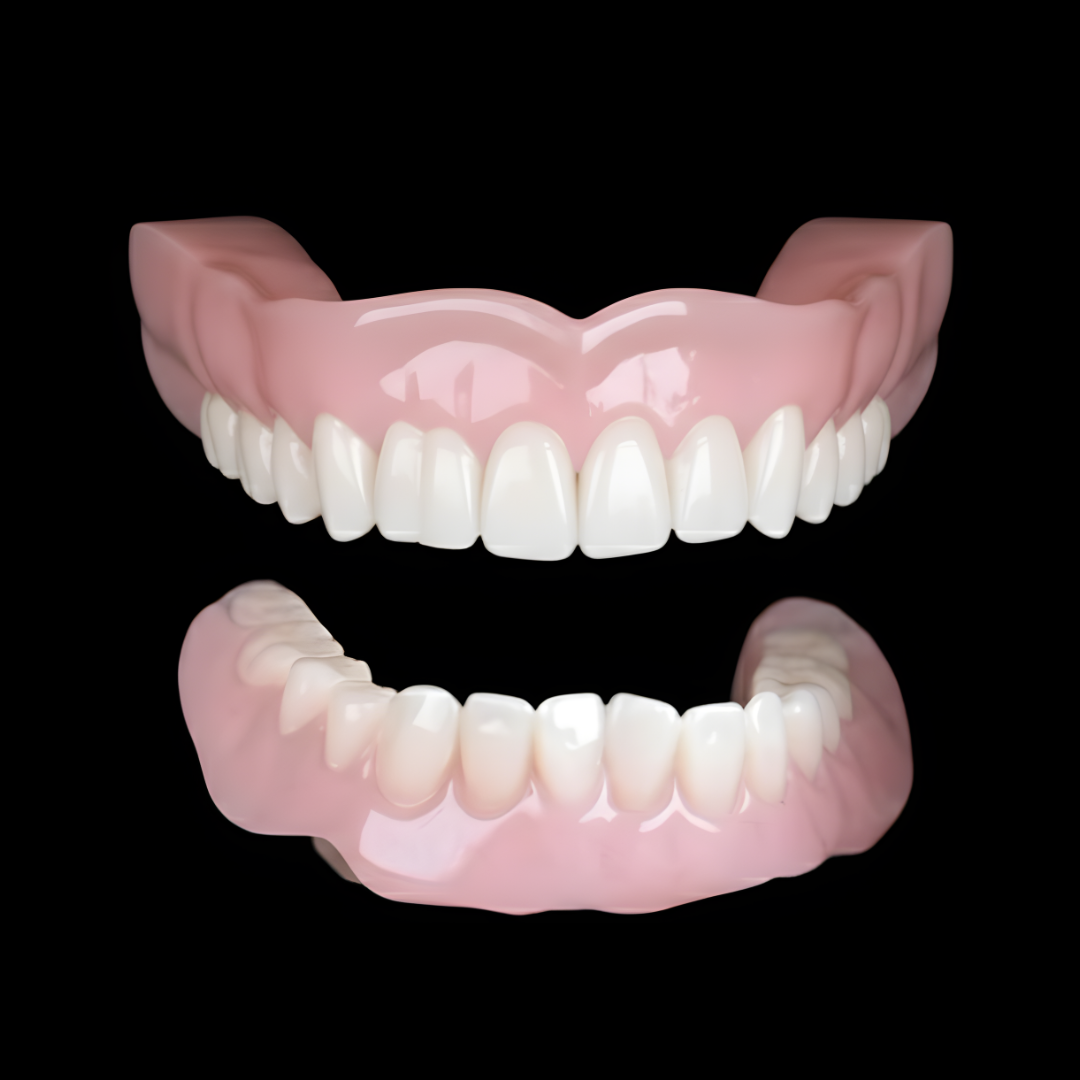
Any new denture needs an adjustment period, and suction dentures are no different.
At first, your mouth may feel full, speech may sound slightly different and you may notice mild sore spots. These can usually be adjusted during follow-up visits.
Do not file or alter the denture yourself, as removing material from the wrong area can affect the seal.
Clean the denture daily and rinse it after meals where possible. The gums and tongue should also be cleaned gently.
Your mouth will continue to change over time. A denture that once fitted well can eventually become loose, so regular dental reviews are important.